







Search Results for: borrowing ice cubes
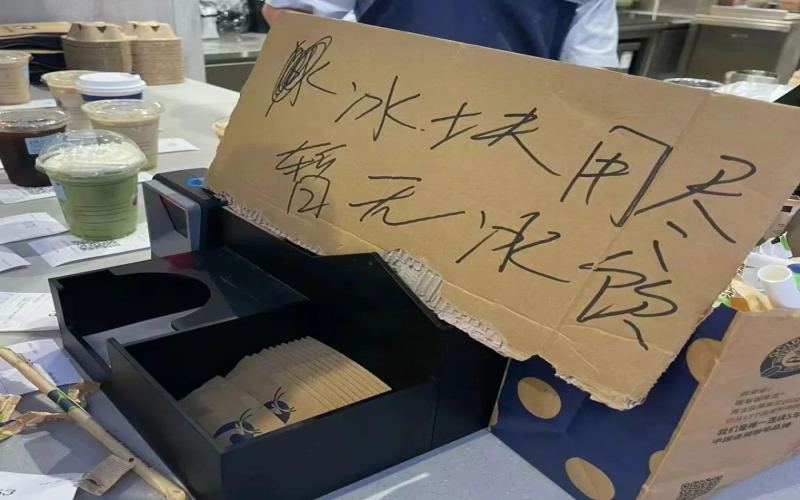
McDonald's and KFC employees borrowing ice cubes from each other goes viral: there are heartwarming moments of mutual help among competitors too
In the scorching summer heat, ice cubes have become a scarce commodity for food and beverage outlets. Once the ice machine can't keep up with the pace of serving, the store falls into an ice shortage. As a result, McDonald's and KFC, two seemingly incompatible rivals, have staged heartwarming scenes of employees borrowing ice from each other. From dragging small ice buckets to ask for help, to politely waiting with large metal buckets, these scenes have netizens calling them adorable, and even Laoxiangji couldn't resist joining the fun in the comments. In fact, when these chain brands cluster their stores together, the materials they borrow from each other daily go far beyond ice—behind it all is the simple yet genuine rapport and goodwill among workers. [more…]
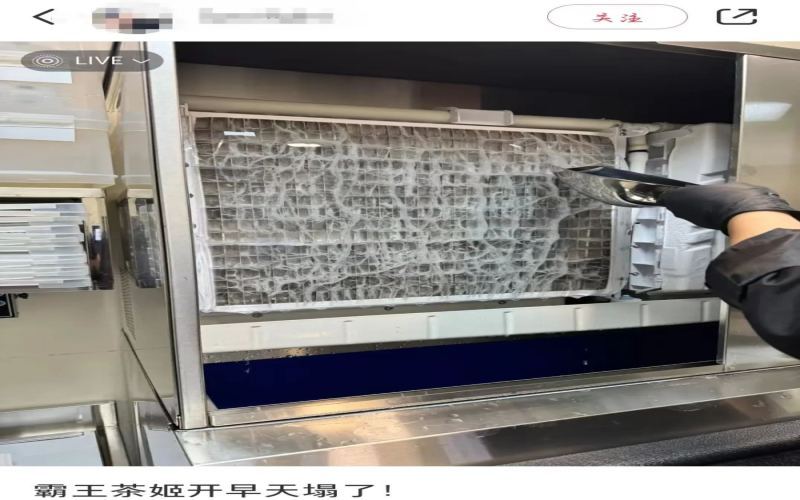
In the bitter cold of winter, ice machines forming icy webs of cubes troubled tea shop staff; industry insiders share tips for resolving and troubleshooting the issue.
Entering mid-December, temperatures across the country continue to drop, yet demand for iced drinks remains strong, and the ice machines in tea beverage shops still need to operate as usual in the severe cold of the north. Recently, an early-shift employee at Chagee arrived at the store and found the ice cube tray covered with foreign matter resembling a "spider web." Only upon closer inspection did they realize it was ice that had frozen into a thick layer overnight, preventing the machine from properly releasing the ice. This situation not only caught the staff off guard but also sparked discussions among peers about winter ice machine parameter adjustments, troubleshooting, and equipment quality. Front Street Coffee has noticed that similar problems are not uncommon in chain tea beverage stores, and how to respond scientifically has become a topic of concern for industry practitioners. [more…]

Why Is Iced Cappuccino So Rare? Front Street Coffee Teaches You to Make a Smooth, Frothy Iced Cappuccino at Home with a French Press
On café menus, iced cappuccino is often nowhere to be found. Is it because it's too difficult to make, or because the taste is hard to accept? From the perspective of Front Street, this article first walks you through the origins of the cappuccino name and how the hot version is made, then takes a deeper look at why the cold version is so scarce, and finally gives a step-by-step demonstration of how to use an ordinary French press at home to whip up thick, velvety cold milk foam and put together a refreshing yet rich iced cappuccino. The whole process requires no professional espresso machine, and the parameters are flexible and adjustable—perfect for coffee lovers to recreate at home. [more…]
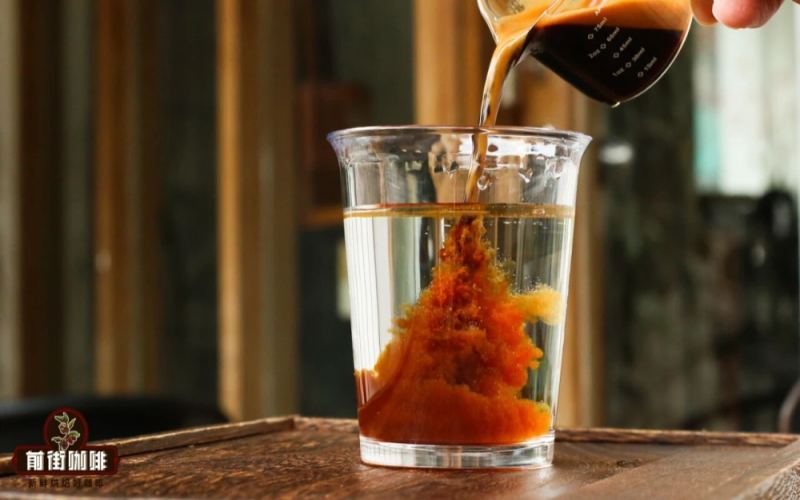
How to brew Americano for a smoother taste? Master water quality, crema, and icing techniques, and compare the differences with espresso
American coffee may seem simple, but many details determine the final taste. Based on Front Street's practical experience, this article first explains that a delicious Americano requires a suitable espresso base and proper concentration, then shares three "tricks" to enhance the texture: First, pay attention to the hardness of the dilution water, because water accounts for over 97% of black coffee, and soft water can bring out a more noticeable sweetness; Second, choose whether to keep or remove the crema on the surface of the espresso according to personal preference—removing it improves cleanliness and sweetness, while keeping it provides better body and aftertaste; Third, use ice cubes to directly catch the espresso and then shake to dilute, drawing on the concept of rapid freezing to preserve aroma and lower the temperature. In addition, the article also compares the differences between Italian coffee and American coffee, and recommends several Front Street espresso beans suitable for making non-bitter Americanos, including Strawberry Candy Blend, Commercial Blend, Huakui SOE, and Yirgacheffe Natural Red Cherry SOE. [more…]
Espresso Milk Coffee | Why is Dirty coffee so popular? What is the recipe ratio for the internet-famous dirty coffee? What are the flavor characteristics of dirty?
It must be said that the ways to play with espresso are truly endlessly varied—just the combination of espresso and milk alone can create a great many coffee drinks. Dirty coffee is a very popular type of espresso drink born from the collision of espresso and milk. If you know a little about espresso-related knowledge, it is not hard to find that Di [more…]
Can iced lattes achieve latte art effects? Analyzing why hot milk is the key to latte art
The delicate latte art patterns on a hot latte are always a pleasure to behold, but why is it that an iced latte, made from the same espresso and milk, almost never features latte art? Behind this lies the science of milk foam formation, the effect of temperature on blending, and various practical limitations. Front Street Coffee has made multiple attempts at making iced milk foam, from handheld frothers to French presses, in an effort to replicate latte art on cold drinks, but the results were less than satisfactory. This article will delve into the scientific principles of latte art, compare the differences between making hot and iced lattes, and share Front Street's real experiences and final results from iced milk foam experiments. If you've ever wondered why iced lattes can't have latte art, or want to understand the challenges of making cold milk foam, this article will reveal it all. [more…]

Starbucks Iced Shaken Espresso Caffe'Shakerato hits the menu, shaking up foam relies entirely on the barista's arm strength and confidence
On June 14, Starbucks China officially launched a new iced coffee category called "Iced Shaken Espresso," featuring two flavors: Sea Salt Caramel and Tahitian Vanilla. This drink is originally named Caffe'Shakerato, a national-level iced espresso in Italy, shaken in a cocktail shaker to create a dense foam, with a taste and appearance similar to dark beer. Starbucks has turned it from a hidden menu item into a regular product, sparking heated discussions on social media. The production process places extremely high demands on baristas' skills, requiring plenty of ice and endless shaking to achieve a fine foam, and it is even more of a test during peak hours. Consumer reviews are polarized, with some praising the taste and others complaining that the foam is coarse. This article explains in detail the origin, spread, and production difficulties of Caffe'Shakerato, and shares an easy way to replicate it at home. [more…]
What coffee grounds are suitable for a French press? A complete guide from parameters to iced coffee and cleaning
Since the French press was born in 19th-century France, its simple structure and immersion brewing method have made it a daily choice for many coffee lovers. But if you want to consistently produce a good cup with it, there are finer points to how the coffee grounds should be chosen, how coarse the grind should be, how hot the water should be, and how long it should steep. This article starts from Front Street Coffee's hands-on experience, sorting out the French press's coffee-to-water ratio, grind size, water temperature, and time parameters, and extends to uses such as cupping, tea brewing, and milk frothing. It also includes a French press iced coffee extraction plan and disassembly and cleaning methods to help you use this simple device more thoroughly. [more…]
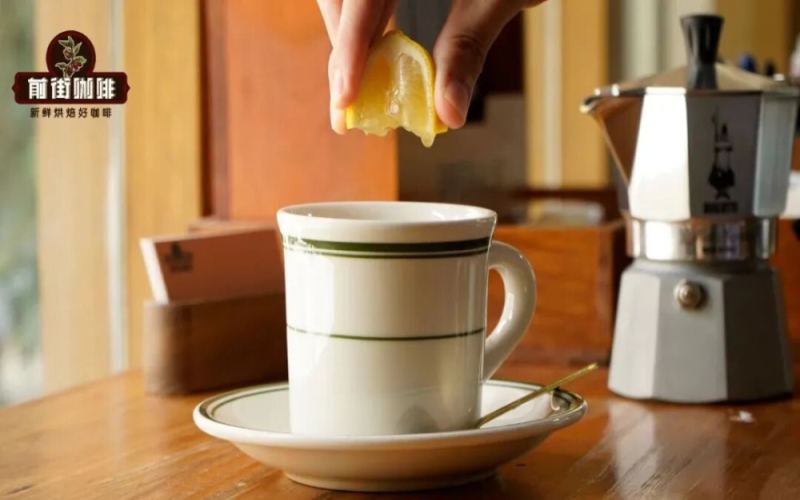
What Is Sicilian Coffee? A Complete Guide to Making Lemon Coffee with Cold Brew, Pour-Over, and Drip Bags
Lemons have always played an important role in Front Street's articles. They not only frequently appear in coffee bean flavor descriptions, but are also a core element of many creative specialty drinks, responsible for bringing fresh aroma and bright acidity. This Spring Festival, Front Street discovered a new pairing of coffee and lemon—Sicilian coffee. This drink has simple ingredients and high playability, with a very prominent lemon aroma. Although the name carries Italian flair, Sicilian coffee does not originate from Sicily, Italy, and there are varying accounts of its origin. This article will introduce the background of Sicilian coffee and share in detail three brewing methods: cold brew, pour-over, and drip bag. The coffee beans used are all from Front Street. Guodingding, allowing you to experience the refreshing charm of the fusion of lemon and coffee. [more…]
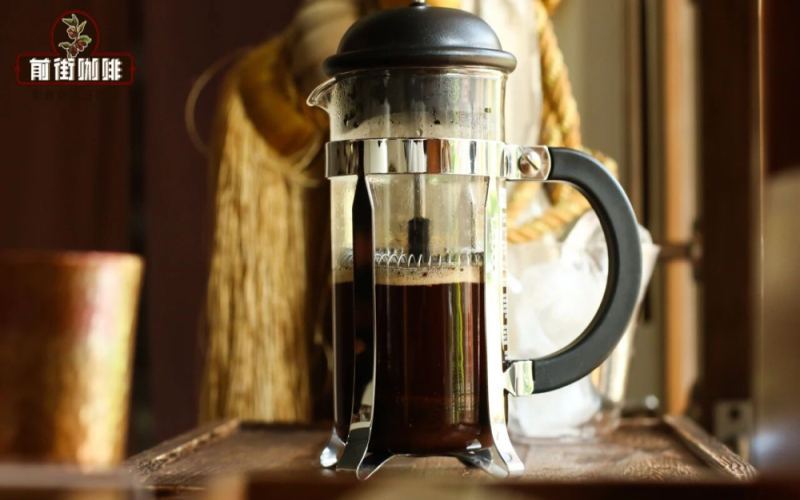
The Complete Guide to French Press Brewing: Coffee-to-Water Ratio, Grind Size, Water Temperature, Steep Time, and Iced Coffee Method
The French press is a classic immersion coffee brewing device originating from 19th-century France. It has a simple structure and is easy to operate, yet it can extract rich, well-balanced coffee. Starting from the four core parameters—coffee-to-water ratio, grind size, water temperature, and steeping time—this article breaks down the key points of French press brewing in detail, and further introduces its many uses as a cupping tool, tea maker, and even milk frother. In addition, it shares a complete method for making iced coffee with a French press, along with coffee bean recommendations suitable for the French press and cleaning and maintenance tips, helping you fully master how to use a French press. [more…]
How Long Can Cold Brew Coffee Be Stored Without Its Flavor Deteriorating? A Detailed Guide to Ice-Drip and Cold-Brew Methods and Storage Times
On a sweltering summer day, a glass of iced coffee instantly refreshes the senses. As a key member of the iced coffee family, cold brew coffee actually splits into two distinctly different methods—ice drip and cold steep—each with its own flavor profile and level of difficulty. This article covers the history of cold brew coffee, the complete steps for both brewing methods, coffee-to-water ratios and grind parameters, and the shelf life and flavor development patterns that everyone cares about most. Front Street Coffee has also recommended a range of specialty beans suited to low-temperature extraction—including Sherry, Fruit Ding Ding, and Huakui—to match different taste preferences, helping you easily make a cup of cold brew coffee to your liking at home. [more…]
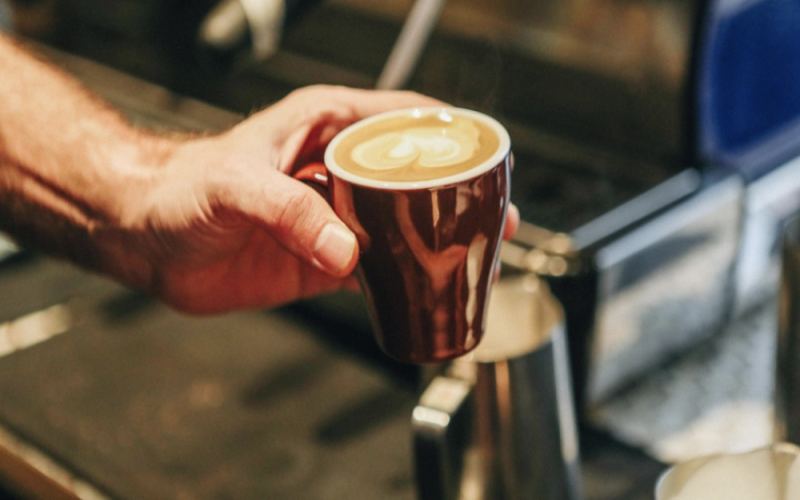
What's the difference between a flat white and a latte? A comprehensive analysis from milk ratio and foam thickness to brewing method
Although both are made from espresso and milk, a flat white and a latte present completely different flavor directions. Drawing on the production experience of Front Street Coffee, this article sorts out the controversy over the origin of the flat white, its core differences from a latte, cup size choices, the trade-offs between hot and iced versions, and specific extraction parameters and preparation methods. By comparing milk quantity, foam thickness, and pouring method, it helps coffee enthusiasts understand why a flat white tastes richer and smoother, and provides practical reference for recreating it at home or in a shop. [more…]

Dirty Coffee: The Making Principles and Why It Became Popular – From Espresso Layering to a Multi-Layered Taste Experience
Dirty coffee is an Italian-style beverage born from the collision of espresso and cold milk. With its slowly sinking crema layer and the alternating hot-and-cold drinking experience, it quickly rose to fame in specialty coffee shops. Starting from Front Street Coffee's brewing parameters, this article traces the origins of Dirty, including Katsuyuki Tanaka's B.P Dirty in Japan and the early practices of "layered coffee" in China, and analyzes why this small-cup coffee became a viral product: it fills the visual gap of iced coffee while offering a layered progression from hot to cold and from bitter to sweet. [more…]

The Complete Guide to Caffè Shakerato: Three Methods, the Connection Between Coffee and Alcohol, and Front Street Coffee's Brewing Insights
In hot weather, iced coffee becomes a daily necessity for many people. Besides common options like cold brew, iced pour-over, and iced Americano, there is also a popular fancy coffee in Italy during summer—Caffè Shakerato, meaning "shaken coffee." Its method derives from bartending techniques, using a shaker to shake espresso with ice cubes into a dense foam, offering a cold taste, delicate texture, and rich aroma. In this article, Front Street Coffee will sort out the origins of Caffè Shakerato and the "coffee by day, alcohol by night" business model, and share three preparation methods: the classic version, the modern version, and James Hoffmann's cream whipper version. It will also explain operational details such as ingredient substitutions and the order of syrup use, making it easy for coffee enthusiasts to replicate at home. [more…]
Can a French press make delicious iced coffee? A complete guide from bean selection to grind size
If you only have a French press and no pour-over gear, can you still make a satisfying iced coffee? The answer is yes. A French press uses immersion extraction, and with the same beans, the hot coffee it produces is often more balanced and fuller-bodied than pour-over. Borrowing from the Japanese-style iced pour-over approach, you can steep coffee in a smaller amount of hot water to get a concentrated coffee liquid, then pour it over ice to dilute and cool it, making iced coffee. However, diluting with ice lowers the concentration, so it's not advisable to use light-roast beans with pronounced acidity, or the result will taste thin and may develop off-flavors like almond or peanut skin. This article walks through the complete extraction plan using Front Street Strawberry Candy coffee beans, from bean selection to 15 grams of grounds, a 1:8 coffee-to-water ratio, 94°C water temperature, medium-coarse grinding, and the step-by-step process. [more…]

Edible Coffee Cups Make a Comeback: The Eco-Friendly Evolution from Ice Cream Cones to Oat Cups
The environmental problems of single-use paper cups are becoming increasingly severe, and the coffee industry has been searching for alternatives. From the failed attempt with cone cups in 2014, to the brief popularity of KFC's cookie cups, and then to the unexpected revival of oat cups during the pandemic, edible coffee cups have gone through three generations of technological iteration. This article will review the development history, technological breakthroughs, and market dilemmas of edible cups, and explore whether they can truly replace single-use cups and become a new environmentally friendly choice for coffee shops. [more…]

The controversy over Mixue Bingcheng's 1-yuan ice cup continues to intensify, prompting the brand to issue an urgent apology and respond to the conflict between store service and costs.
Mixue Bingcheng's launch of the 1-yuan ice cup was intended to cater to summer consumer demand, but unexpectedly sparked multiple conflicts between consumers and store employees. Consumers reported difficulties in purchasing, encountering service discrimination, actual price increases, and even being forced to buy bundled products; stores and distributors complained about the high cost of ice, thin profits, and even losses. This controversy not only trended on social media but also forced the brand to issue an urgent apology. This article reviews the entire incident, analyzes the cost structure and operational difficulties behind the ice cup, and focuses on how the brand will subsequently balance consumer expectations with store profitability. [more…]

Complete Guide to Making Coffee Ice Cubes: Do Cold Brew and Iced Coffee Need Coffee Ice Cubes?
On a hot summer day, a glass of iced coffee is a favorite for many, but ordinary ice cubes melt and dilute the coffee into a bland, watery drink. How can you enjoy the chill without sacrificing the rich flavor of the coffee? The answer is coffee ice cubes. In this article, Front Street Coffee will explain in detail how to make coffee ice cubes, including the different approaches for basic coffee ice cubes, cold brew coffee ice cubes, espresso ice cubes, and milk coffee ice cubes, and will also answer whether cold brew and iced coffee really need coffee ice cubes. With just a little advance preparation, every iced drink can keep its rich, full-bodied taste. [more…]
Can stainless steel ice cubes be used to cool coffee? A practical test comparing their effect and usability against homemade ice cubes
When drinking iced coffee in summer, it tends to become diluted toward the end, so some people have thought of using stainless steel ice cubes instead of traditional ice. Are these reusable metal ice cubes really suitable for coffee? Front Street conducted an actual comparison test, analyzing the structure of stainless steel ice cubes, their cooling speed, and their impact on flavor. The results show that although stainless steel ice cubes have the advantage of not melting, their cooling effect is far inferior to homemade ice cubes, especially performing poorly in the ice pour-over step. The article also shares a pour-over plan using a mix of the two types of ice cubes, and explores why coffee shops rarely use stainless steel ice cubes. [more…]
The Complete Guide to Ice Cube Coffee: How to Make Ice Cube Americano and Ice Cube Latte with Recipe Ratios
For office workers racing against the clock every morning, squeezing in a few extra minutes of sleep is what really matters. Is there a coffee that doesn't require fresh grinding and brewing on the spot, yet still delivers a decent taste? The answer is ice cube coffee—freeze brewed coffee into cubes in advance, and when you want a drink, just drop them into a cup, add some water or milk, and in thirty seconds you have an iced americano or iced latte. Today, Front Street Coffee is here to break down the ice cube coffee method in detail, including the ratio of espresso to water, the steps for making both americano and latte versions, and tips for freezing and storage, so you can easily enjoy a proper cup of iced coffee even on a busy morning. [more…]